Impulse Response Archives · Est. 2009

The sound of spaces, captured and catalogued.

Acousticas documents the science and craft of convolution reverb, impulse response capture, and acoustic design. From the Lexicon 480L to cathedral interiors, we preserve the reverberant character of legendary hardware and extraordinary rooms.

Read the archive
Fundamentals

What if you could put any room inside your computer?

Convolution reverb is a technique that uses a recorded impulse response (IR) to recreate the exact acoustic signature of a physical space or piece of hardware. Play a short burst of sound in a cathedral, record how the room responds, and that recording becomes a filter your DAW can apply to any audio signal.

The result is indistinguishable from recording in the actual space. Vocals get the reverb of a concert hall. Drums inherit the character of a Lexicon 480L. Guitars bloom in a chamber that was demolished decades ago.

Acousticas has been capturing, cataloguing, and documenting these impulse responses since 2009.

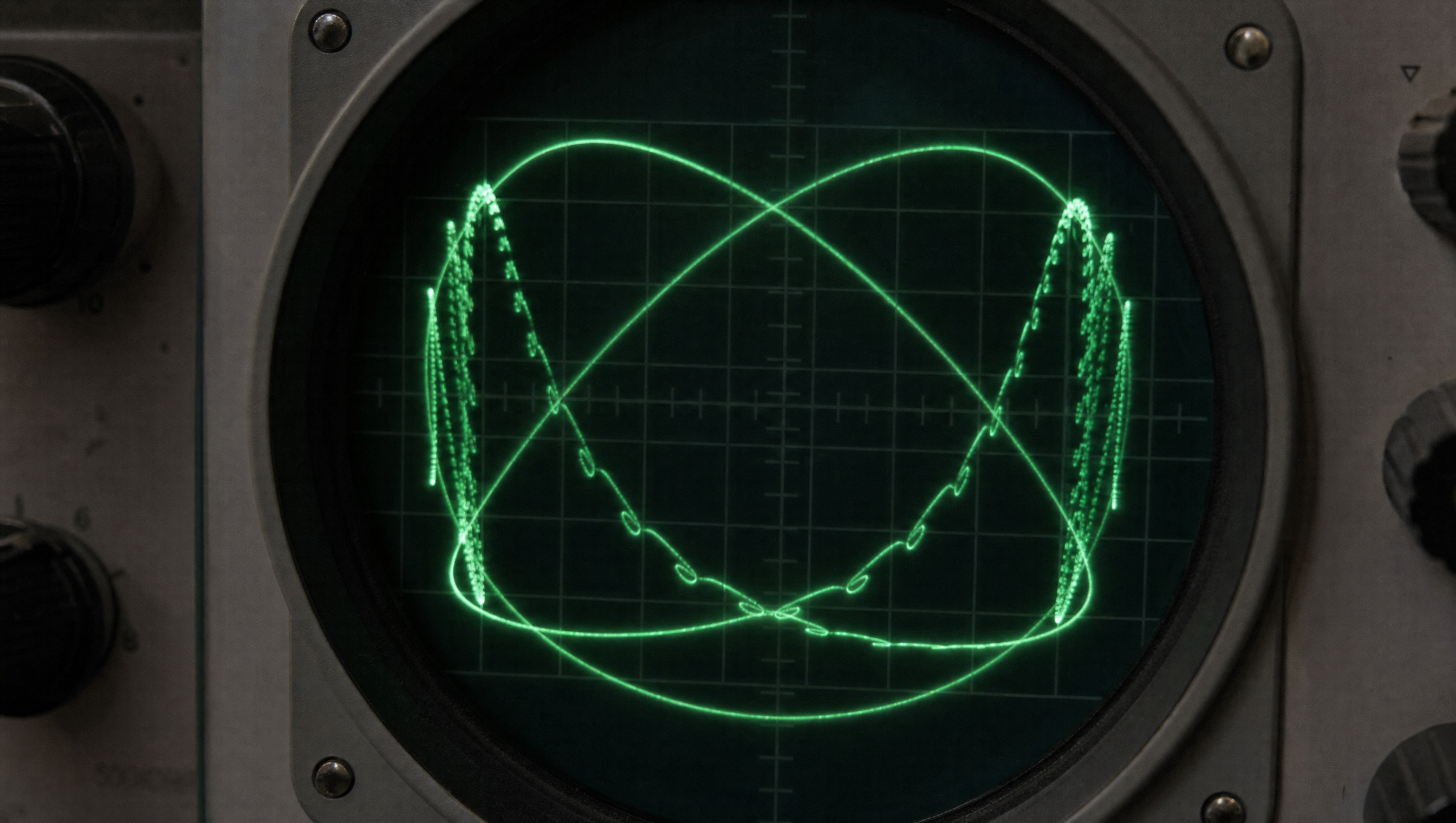
Sound wave propagation
The Process

Recording a room is harder than it sounds.

Capturing a clean impulse response requires a stimulus signal loud enough to excite the space without distortion, a microphone positioned to catch the full decay, and hours of post-processing to remove noise and normalize the result.

For hardware units like the Lexicon 224XL, the challenge is greater. Custom stimulus signals must be designed to work with the unit's converters. A single library can take two months of recording and processing to complete.

Every IR in our archive was recorded with analog signal paths, not digital bypass, preserving the character of the hardware's converters and circuitry.

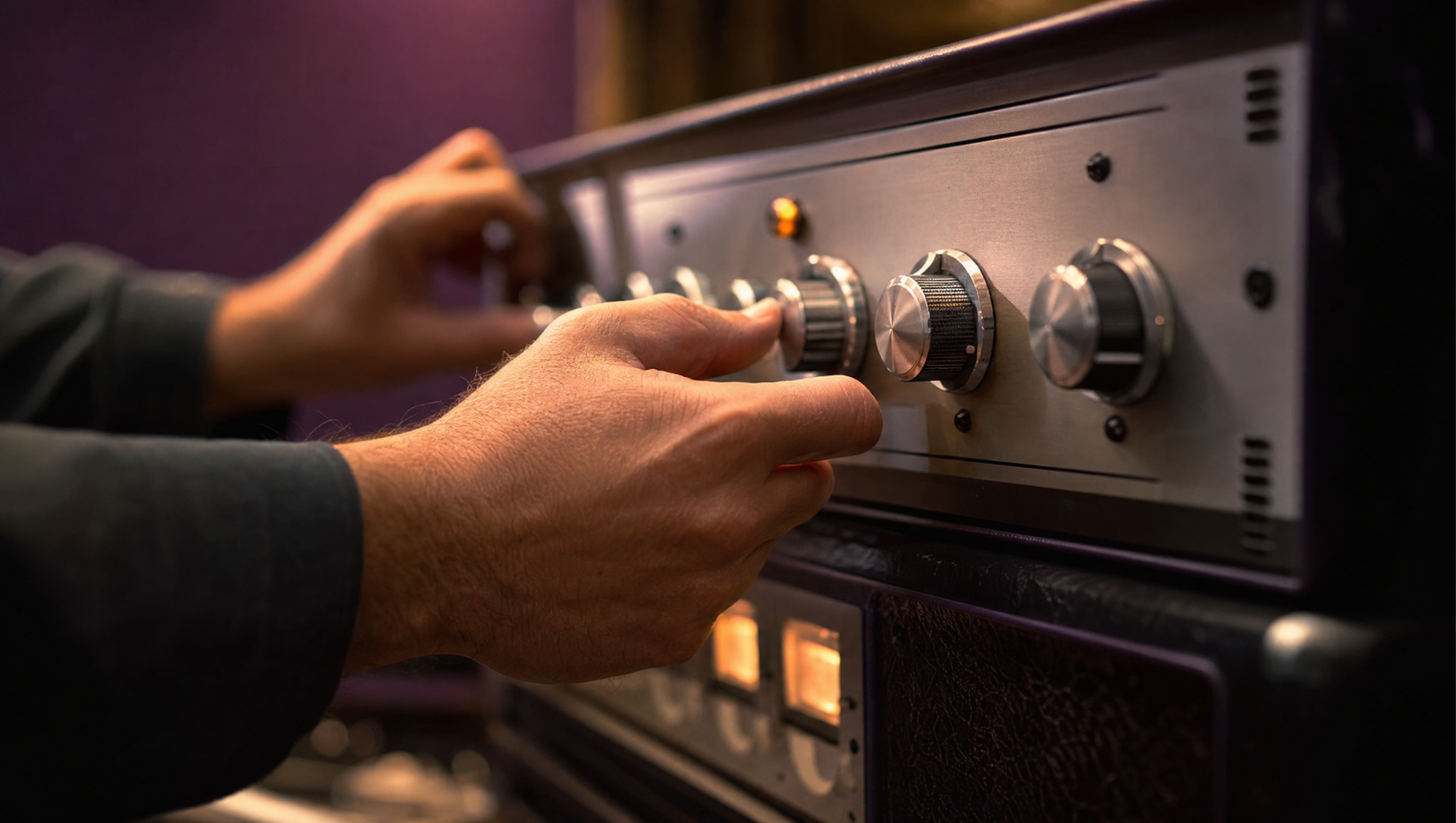
Plate reverb knobs
The Archive

Libraries we have documented

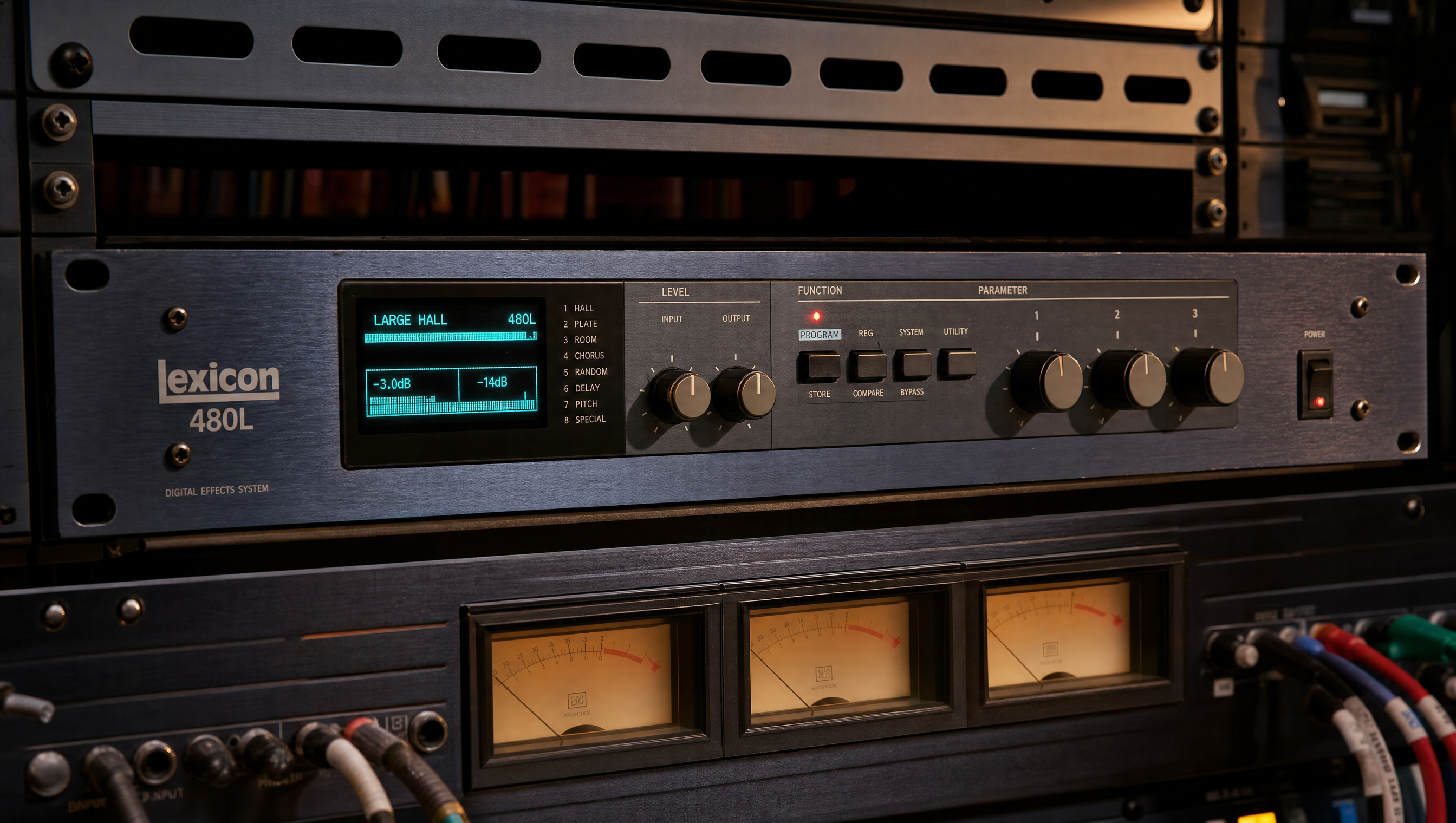
Lexicon 480L
/01 · 711 IRs

Lexicon 480L

The studio standard. Factory presets, plates, churches, chambers, and the Stereo Maker algorithm.

/02 · 2,112 IRs

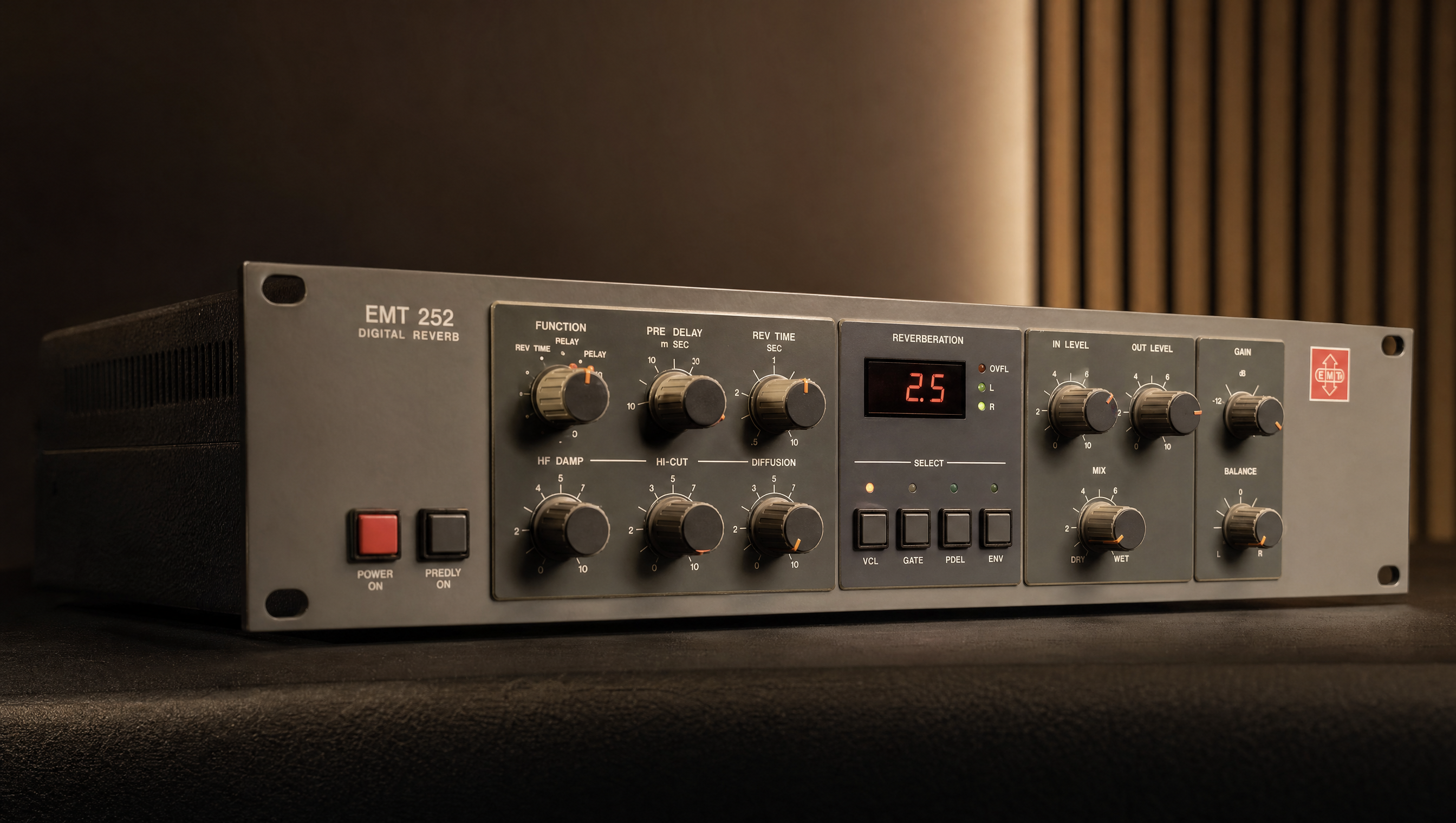
EMT 252

The Tinker Bell. Every setting the 252, 250, NON-LIN, and D-REV have to offer.

/03 · 597 IRs

Lexicon 224XL

Seven categories, two months of work.

/04 · 140 IRs

Lexicon 300

Up to 64.1 seconds of decay.

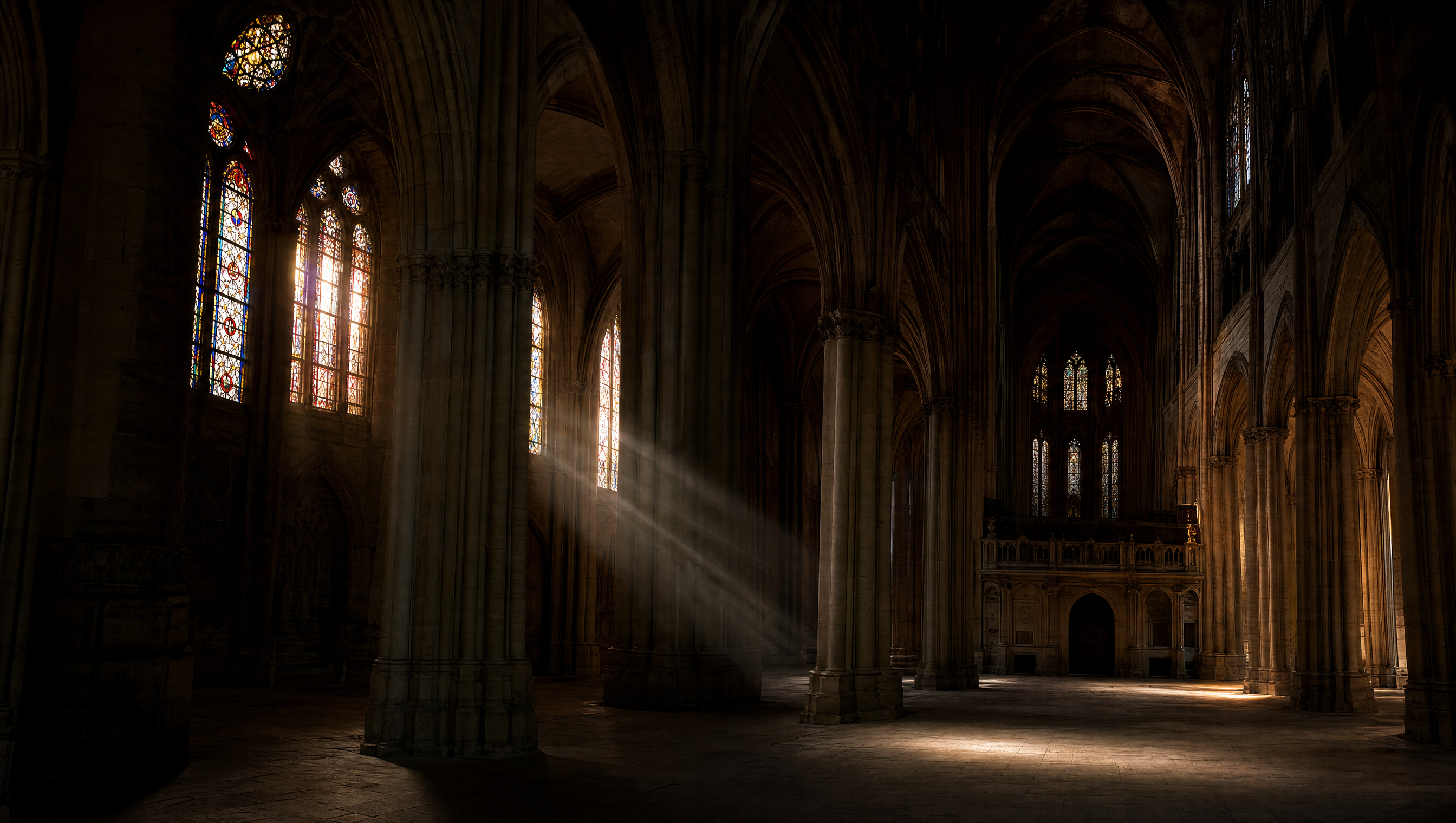
Cathedral
/05 · Spaces

Cathedrals & Concert Halls

Real acoustic spaces, captured with sine sweeps and deconvolved to pristine stereo IRs.

/06 · Compatibility

Plugin Support

Altiverb, IR1, Revolver, Space Designer, TL-Space.

Reading Room

Recent articles

Convolution reverb

Understanding Convolution Reverb: A Complete Guide

How impulse responses work, why they sound better than algorithmic reverb, and how to use them in your productions.

Continue reading →
Lexicon 480L

Lexicon 480L: The Studio Standard Reborn

Inside the 711-impulse library that captures every preset, plate, and chamber of the legendary reverb.

Continue reading →
Impulse response capture

The Art of Impulse Response Capture

Stimulus signals, microphone placement, deconvolution, and the pitfalls that ruin a good IR.

Continue reading →
Acoustic treatment

Acoustic Treatment: Beyond Foam Panels

Why egg-crate foam is not enough, and what actually works for controlling reflections in a studio.

Continue reading →
Cathedral acoustics

Cathedral Acoustics: Spaces as Instruments

When reverb times exceed six seconds, the room stops being an effect and becomes a performer.

Continue reading →
EMT 252

EMT 252: Capturing the Tinker Bell

2,112 stereo impulses from the digital reverb that changed how we think about space.

Continue reading →
RT60

The Science of Reverb Time (RT60)

What RT60 actually measures, why a single number cannot describe a room, and how to read a reverb curve.

Continue reading →
Home studio

Building Your First Home Studio

Monitor placement, acoustic treatment, and the gear that actually matters for recording at home.

Continue reading →
Plate reverb

Plate Reverb: Analog Warmth in a Digital World

The EMT 140, the BX-20, and why a sheet of metal still sounds better than any plugin.

Continue reading →
"The room is the first instrument. Everything you record has already been processed by the space it was played in. Convolution just lets you change your mind about which room."
Acousticas Field Notes, Vol. 03
Get in touch

Have a space worth capturing?

We document acoustic spaces and hardware reverbs. If you have access to a unique room or a piece of vintage gear, we want to hear about it.

Email studio@acousticas.net
Location Remote / Worldwide
Est. 2009